Boxed Up and Never Touched: The Real Reason Fans Can't Stop Buying Merch They'll Never Use
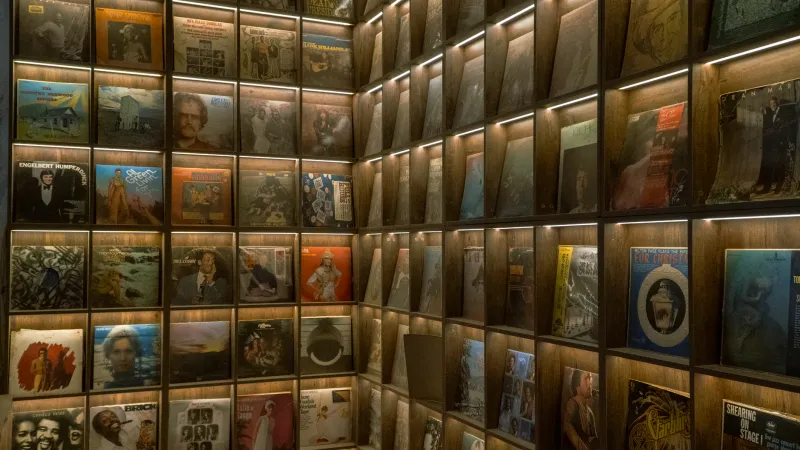
Somewhere in a climate-controlled spare bedroom in suburban Nashville, there are seventeen unopened Funko Pops still in their original boxes, a signed tour poster sealed in UV-protective acrylic, and a limited-edition vinyl pressing that has never once been placed on a turntable. The person who owns all of this spent close to $4,000 acquiring it over the past three years. They are not unusual.
This is the merch paradox — the strange, fascinating, and surprisingly emotional world where devoted fans drop serious money on objects they treat more like sacred relics than actual products. It's not irrational, exactly. But it is complicated. And the companies selling this stuff know exactly what they're doing.
The Object as Proof of Love
Let's start with the fan side of the equation, because this is where the psychology gets genuinely interesting.
For a lot of collectors, the purchase itself is the point. Not the using. Not even the displaying, really. The having. Dr. Priya Nair, a consumer behavioral researcher who has studied fan purchasing habits, describes this as identity-object fusion. "When a fan buys a limited-edition item connected to something they love, they're not just buying a product. They're buying a physical confirmation of who they are. The object becomes proof of their devotion — to the artist, to the fandom, to themselves."
That's why opening the box feels wrong to so many collectors. The sealed item is perfect. It's the relationship at its most idealized. Once you open it, you introduce the possibility of wear, damage, depreciation — all the messy realities that come with actually using something. Keeping it sealed is a way of keeping the feeling pristine, too.
Jamila Torres, a 29-year-old teacher from Chicago who collects signed memorabilia from her favorite musicians, describes it this way: "I know it sounds weird, but opening something feels like it would diminish it somehow. Like I'd be treating it like a regular thing. And it's not a regular thing to me."
FOMO, Engineered
Now let's talk about the other side of this equation — the merch companies, the artists' teams, and the very deliberate tactics designed to turn devotion into dollars.
Scarcity is the engine. Limited drops, countdown timers, "only 500 pressed" vinyl variants, exclusive colorways available for 48 hours only — these aren't just marketing quirks. They're a calculated psychological pressure system built to make a fan feel like not buying is a form of betrayal.
"The goal is to make the fan feel like the item is a test," explains retail strategist Kevin Marsh, who has consulted for entertainment merchandise brands. "If you're a real fan, you'll find a way. If you miss it, you'll feel like you failed — both the artist and yourself. That guilt is a revenue driver."
The numbers back this up. The global music merchandise market is valued at over $3.5 billion annually, with a significant chunk of that driven by limited and exclusive releases. And the resale market — StockX, eBay, Whatnot — adds another layer, turning certain pieces of fan merch into assets that appreciate in value, which gives buyers yet another justification for the purchase. It's not just devotion. It's an investment.
Except, of course, most of it isn't. Most limited merch depreciates. But the feeling that it might not? That's enough to keep the credit cards coming out.
The Collector's High (And the Crash)
There's also a neurological dimension to this that behavioral economists find genuinely compelling. The anticipation of acquiring a limited item — watching the countdown, refreshing the page, racing through checkout — triggers dopamine release in a pattern that looks a lot like other reward-seeking behaviors. The high is real. It's just that it's tied to the chase, not the object itself.
"Once the item arrives, the dopamine spike fades relatively quickly," says Dr. Nair. "Which is part of why collectors often feel a kind of flatness after a big purchase — and then start looking for the next drop. The collection grows, but the satisfaction is always temporary."
This cycle is something a lot of superfans recognize in themselves, even if they'd rather not dwell on it. One collector who asked to remain anonymous described spending $800 on a limited-edition box set from their favorite band, feeling euphoric when it arrived, and then feeling vaguely empty about a week later — right around the time the next limited drop was announced.
"It's like the merch companies know exactly how long the feeling lasts," they said. "Because the next thing always shows up right when that one stops feeling special."
So Why Keep Doing It?
Here's the thing — knowing the psychology behind a behavior doesn't necessarily make you stop doing it. And for a lot of fans, the question of whether to stop isn't even on the table. Because mixed into all the FOMO mechanics and dopamine cycles is something genuine: these objects mean something.
A signed setlist from the first concert you ever attended isn't just merch. A limited pressing of the album that got you through a hard year isn't just vinyl. The object carries the memory, the emotion, the relationship. That's real, regardless of whether a marketing team engineered the scarcity.
Jamila Torres has a signed photo she's never taken out of its sleeve — but she knows exactly where it is at all times, can tell you the exact date and venue it was signed, and tears up a little when she talks about it. "I don't need to look at it every day for it to matter," she says. "I just need to know it exists."
The Challenge Worth Taking
If you're a collector reading this and feeling a little called out — same. We're not here to judge the box of unopened Pops or the sealed vinyl. But it might be worth asking yourself, the next time a limited drop hits: am I buying this because it means something, or because I'm afraid of what it means if I don't?
That distinction won't stop the dopamine. But it might help you spend a little more intentionally — and maybe, just maybe, actually open something once in a while. The thing you love doesn't get less real when you actually let it into your life.