When Fandoms Fracture: The Celebrity Moments That Turned Fan Communities Against Themselves
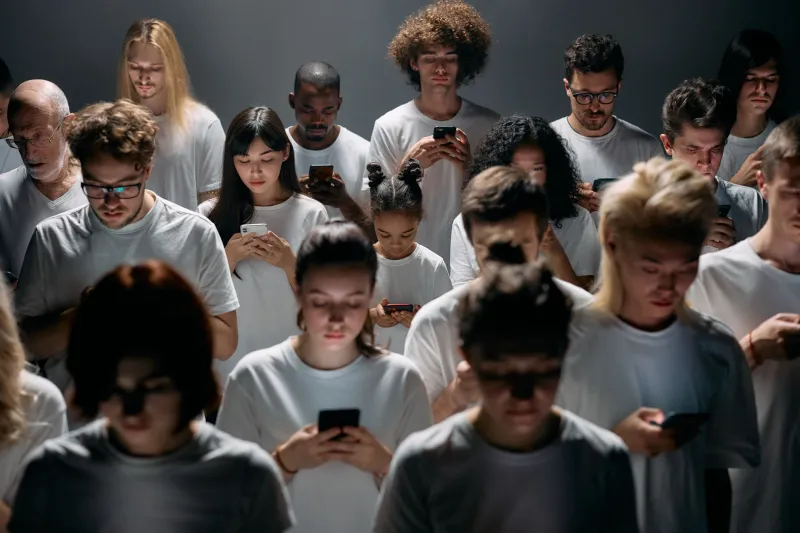
There's a specific kind of chaos that only exists inside a fandom mid-crisis. It's not the chaos of outsiders criticizing your fave — that actually tends to unite fans. No, the really messy stuff happens when the drama comes from within. When a single moment, decision, or collaboration draws a line right through the middle of a community and suddenly people who were making friendship bracelets together last month are writing callout posts about each other.
Welcome to the fandom civil war — one of pop culture's most fascinating and honestly kind of exhausting phenomena.
The Anatomy of a Fan Community Rupture
Before we get into specifics, it's worth understanding what actually causes a fandom to fracture. It almost never happens over something small. The splits that really stick tend to involve one of a few core triggers:
- A celebrity publicly feuding with another celebrity that a significant portion of fans also love
- A surprise collaboration that feels like a betrayal of the artist's established identity
- A controversy that forces fans to choose between loyalty to the person and loyalty to their own values
- A dramatic shift in artistic direction that leaves longtime fans feeling abandoned
What makes these moments so volatile is that fandom identity runs deep. For a lot of people, stanning an artist is tied up in who they are — their friendships, their playlists, their entire social media presence. When the artist does something that complicates that identity, fans don't just feel confused about the celebrity. They feel confused about themselves.
The Collab That Broke the Internet (And the Fan Base)
Few things split a fandom faster than an unexpected collaboration — especially when the two artists involved have fan bases with existing beef.
Think about the reaction when artists from seemingly opposing cultural camps join forces on a track or project. The fans who embrace it see it as growth, evolution, a sign that their fave is operating on a higher level. The fans who reject it feel like something has been given away — like the artist has cosigned someone or something that conflicts with what the fandom stood for.
This dynamic played out loudly in country music circles when artists began crossing over into pop territory more aggressively. Longtime fans who had built their whole identity around the "authenticity" of the genre felt genuinely betrayed, while newer fans cheered the mainstream reach. The comment sections became battlegrounds that had nothing to do with the music itself and everything to do with who got to claim the artist as "theirs."
The same thing happens in hip-hop, in K-pop, in the Marvel fandom when casting decisions feel like they contradict what the universe used to represent. The art becomes secondary. The loyalty becomes the whole argument.
Celebrity Feuds and the Fans Caught in the Crossfire
When two celebrities who each have massive, passionate fan bases end up in public conflict, their fans don't just observe — they participate. Loudly.
The Taylor Swift and Scooter Braun situation is one of the clearest modern examples of how a celebrity dispute can create genuine ideological fault lines inside a fan community. Swift fans who had also been fans of artists under Braun's management suddenly had to navigate competing loyalties. Social media became a daily exercise in picking sides, and fans who tried to hold nuanced positions — "I support Taylor AND I like this other artist" — often found themselves attacked from both directions.
Similar dynamics emerged during the very public tensions between certain Real Housewives cast members over the years, where Bravo's devoted viewer base regularly splits into warring camps that take the drama as personally as if they were in the group chat themselves. These aren't just TV show disagreements — they're identity conflicts playing out through parasocial attachment.
When the Artist Themselves Becomes the Controversy
The hardest fractures to navigate are the ones where the celebrity at the center of the fandom does or says something that genuinely challenges fans' values — not just their taste.
This is where the civil war metaphor really earns its name. Because now it's not fans arguing about an outside event. It's fans arguing about whether their devotion itself is defensible.
Some fans in these situations dig in harder, doubling down on loyalty as a form of identity protection. Others step back, publicly or quietly, and reckon with what they actually signed up for. And a third group — often the loudest — positions themselves as the "real" fans precisely because they're willing to criticize, arguing that holding a celebrity accountable is actually the higher form of devotion.
All three of these reactions are completely human. None of them are entirely wrong. But they are genuinely incompatible, and that incompatibility is what creates the split.
Social Media: The Accelerant
None of this is new — fan communities have always had internal conflicts. What's changed is the speed and visibility that social media provides.
Twitter (now X), TikTok, and Reddit don't just allow fan debates to happen — they algorithmically reward the most heated version of any argument. A nuanced take about why you're conflicted about your favorite artist's recent choices gets twelve likes. A declarative "I'm DONE" post or a passionate defense gets ten thousand. The platform incentivizes taking a side, staking it publicly, and defending it aggressively.
This means that what might have once been a private, gradual reckoning for individual fans now plays out as a public performance — and that performance pressure makes it much harder for people to change their minds, even when they want to.
"I said something critical about [the artist] during the drama and suddenly people I'd been mutuals with for three years were unfollowing me," said one fan who asked not to be identified by name. "It wasn't even that deep of a take. But once you're on the wrong side of a fandom moment, it's hard to come back from."
Is Fan Loyalty Worth Defending in These Moments?
Here's the honest question that sits at the center of every fandom fracture: should you stay?
There's no universal answer, and frankly, anyone who tells you there is probably has an agenda. What we'd offer instead is this — the most grounded fans we've encountered are the ones who can separate the community they love from the celebrity at its center. They recognize that their friendships, their shared memories, their entire fandom experience belongs to them, not to a famous person who doesn't know they exist.
That doesn't mean ignoring when a celebrity does something worth criticizing. It means not letting someone else's choices determine whether you get to keep the parts of fan life that genuinely enrich you.
Fandoms fracture. They always have. But the communities that survive those fractures are the ones where people remember why they showed up in the first place — and find a way to hold onto that, even when everything else gets complicated.
Are you devoted enough to weather the storm? That's the real question.