Mods Are Not Okay: The Hidden Labor Keeping Celebrity Fan Spaces Alive
Photo: person moderating online community on laptop late at night, via www.goodfreephotos.com
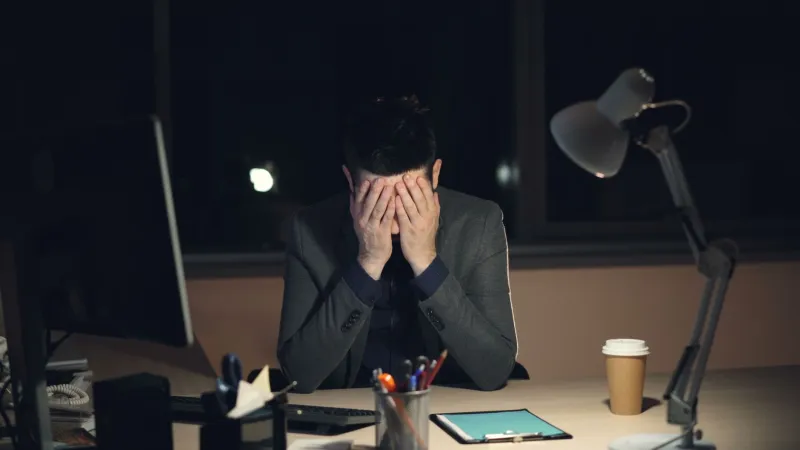
At 11:42 p.m. on a Tuesday, a volunteer moderator for a celebrity fan Discord is doing what they always do: deleting a slur, muting a spam account, and explaining—again—that ticket resale links are not allowed. They have work in the morning. They are not paid. They are not trained. But if they log off, the space they built could turn into a mess of scams, harassment, and leaked personal information before breakfast.
This is the second shift of fandom. Not the one where fans stream, vote, or buy merch. The one where they keep the community from falling apart. Across Reddit, Discord, TikTok comment sections, Facebook groups, and group chats, fan moderators are running what amount to small public squares. They set rules, settle fights, remove predators, and absorb abuse. Most do it for free. Many are burned out. And almost none of them have the support they need.
The Group Chat Has a Chain of Command
Fan spaces look informal from the outside. Inside, they often have a full org chart: head mods, junior mods, night-shift mods, verification teams, and rule enforcers. A large celebrity Discord might have dozens of volunteers covering different time zones. A subreddit might have a mod queue that fills up faster than one person can clear. A Facebook group might be run by three people who have never met in person but talk every day.
The work is not glamorous. It is scheduling posts, approving members, checking leaks, and deciding whether a joke is funny or a violation. It is also customer service for a community that did not hire anyone. Fans expect fast answers, fair rulings, and emotional attunement. They want a safe space, but they also want to be able to vent. Mods are expected to provide both, usually while being told they are power-hungry for enforcing the rules everyone agreed to.
Emotional Labor With a Side of Legal Risk
The hardest part is not the spam. It is the human mess. Mods deal with harassment campaigns, doxxing threats, scams, and fans who bring real-world conflicts into fan spaces. They see leaked personal information and have to decide how fast to remove it. They see adults grooming minors and have to act before a platform responds. They see people in crisis and have to figure out what to say.
In the US, volunteer moderators occupy a strange legal space. Platform protections like Section 230 shield many online services from liability for user content, but that does not mean mods are protected from everything. They can still face harassment, defamation threats, and privacy problems. They are not employees. They do not get workers’ comp. They do not get health insurance. They do not get a handbook. They get a set of rules they wrote themselves and a lot of people mad about them.
Burnout in the Back Office
Burnout is the open secret of fan moderation. The hours are unpredictable. The stakes feel high. The appreciation is low. Mods are often the first people to see the worst of a fandom: the racist jokes, the death threats, the obsessive behavior, the scam links. They are also the ones who have to keep smiling in the group chat so the community does not panic.
When a celebrity has a scandal, mods become crisis managers overnight. When a tour sells out, they become ticket support. When a rumor spreads, they become fact-checkers. The job expands to fit the emergency, and the emergency never really ends. Many mods quit quietly. Others stay because they love the community, or because no one else will do it, or because leaving feels like abandoning the space they built.
Who Gets to Rule
Power struggles are inevitable. Mods are volunteers, but they hold real authority. They can mute, ban, and shape the culture. That can attract the wrong people. Some mods become gatekeepers who confuse their role with ownership. Some celebrity teams ignore mods until they need something. Some fans treat mods as enemies until a crisis hits and they need a grown-up in the room.
The healthiest fan spaces are the ones where mods have clear rules, shared responsibilities, and a way to step back without the whole thing collapsing. That requires more than good intentions. It requires rotation, documentation, and a culture that treats moderation as labor, not as a personality trait.
What Mods Actually Need
The obvious answer is money, but it is not the only one. Mods need backup. They need clear escalation paths for threats and illegal content. They need tools that do not require a computer science degree. They need a way to say no without being harassed. And they need fans to remember that the person deleting the spam link is not a cop. They are a volunteer doing a job nobody else wanted.
Until then, the second shift will keep running on goodwill and caffeine. The community will look effortless from the outside. Inside, someone is still awake, clearing the queue.