Drawing for Free, Dreaming for Free: The Fan Creators Who Keep Pop Culture Alive Between Drops
Let's do some quick math. The Stranger Things fandom on Archive of Our Own — just one of several major fan fiction platforms — contains over 100,000 individual works. Each story averages somewhere between 5,000 and 50,000 words. That's tens of millions of words of original content, created for free, that keeps audiences emotionally tethered to a Netflix property during the gaps between seasons. Netflix doesn't commission it. Netflix doesn't pay for it. Netflix absolutely benefits from it.
This is the quiet economy of fan creation, and it's enormous.
What Fan Creators Actually Do
Fan-generated content falls into a few broad categories, each with its own culture, skill level, and time investment.
Fan fiction is probably the most prolific. Writers — many of them genuinely talented, some with significant followings of their own — produce original narratives using existing characters, settings, and universes. Some stories are quick and playful. Others are multi-chapter epics that take years to complete and run longer than published novels. The Archive of Our Own platform alone hosts over 10 million works across thousands of fandoms.
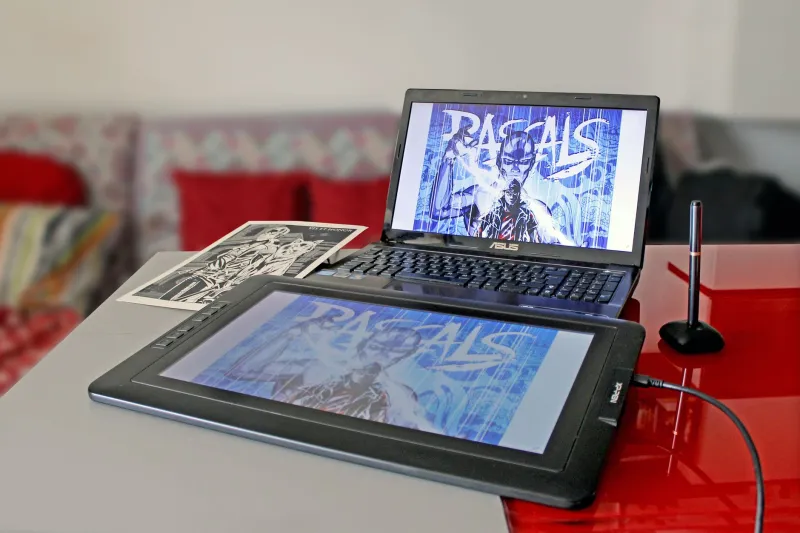
Fan art covers everything from quick digital sketches to museum-quality oil paintings. Platforms like DeviantArt, Tumblr, and Instagram are full of artists who have spent years developing serious technical skills specifically to render their favorite characters, ships, and moments. Some fan artists have built substantial independent followings that later translated into actual careers. Others create quietly, for the love of it, and share their work without expecting anything in return.
Fan theories occupy a different lane entirely. These are the deep-dive analysts — the people who rewatch entire series frame by frame, cross-reference interviews from years ago, and construct elaborate arguments about what's really going on in a fictional universe. A compelling fan theory can trend on Twitter, get picked up by entertainment media, and generate thousands of hours of discussion content across YouTube, Reddit, and podcasts. The creator of that theory sees none of that engagement monetized back to them.
The People Behind the Work
Marcus Webb is 31 and lives outside of Denver. He's been writing Star Wars fan fiction for nine years. His longest completed work is 180,000 words — longer than most published fantasy novels. He estimates he's put in somewhere between 2,000 and 3,000 hours of writing time across his catalog.
"I've never made a dollar from it," he says, without apparent resentment. "But I've also gotten better at writing than I ever would have otherwise. I have readers who message me genuinely moved by something I wrote. That's real."
Marcus's experience is common. Most fan creators frame their work primarily as passion — something they'd do regardless of compensation. But when you push them on the economics, a more complicated picture emerges.
"I know that what I'm doing keeps people engaged with the franchise," he says. "I know that's worth something to Lucasfilm. I just don't think about it too hard."
The Indirect Value Problem
Here's where it gets interesting from a business perspective. Entertainment companies have long understood, even if they rarely say it plainly, that fan-created content is a significant driver of ongoing engagement. A franchise that generates active fan creation stays culturally relevant longer, attracts new audiences through fan communities, and maintains emotional investment during the inevitable gaps between official releases.
Studies on media engagement consistently show that active participation in a fandom — including creating content — dramatically increases the likelihood of purchasing official merchandise, attending events, and subscribing to streaming services. Fan creators aren't just making art. They're effectively doing unpaid marketing.
The indirect value is genuinely hard to quantify, but analysts who study the entertainment economy estimate that thriving fan ecosystems can extend a franchise's commercial viability by years. Some intellectual properties that would otherwise have faded — mid-tier fantasy series, cult sci-fi shows, older music catalogs — maintain real market presence largely because passionate fan communities refused to let them die.
The Blurry Line Between Love and Exploitation
Most fan creators don't feel exploited, at least not actively. The relationship between fan and franchise is generally understood to be informal — you create because you love it, not because you're owed anything. And the legal reality supports this: fan work exists in a gray area, technically infringing on intellectual property rights, but largely tolerated by studios who understand the value of not antagonizing their most passionate audiences.
But that tolerance has limits, and when companies exercise their legal rights to shut down fan projects — as Nintendo has done repeatedly with fan-made games, or as certain music rights holders have done with fan video content — the goodwill dissolves fast. The implicit deal (we let you create, you keep our franchise alive) breaks down, and the community experiences it as a genuine betrayal.
Artist and fan creator Priya Nair, who has been producing K-drama fan art for six years, puts it plainly: "There's an understanding that we're not supposed to profit. Fine. But the moment a company profits from our culture and then turns around and tells us we can't exist, that's when it stops feeling like love and starts feeling like labor."
Why They Keep Going
Despite all of this, the fan creation economy keeps growing. The tools are better, the platforms are more supportive, and the communities are more connected than ever. A talented fan artist can build a real audience. A compelling theorist can become a media personality. The line between fan creator and professional creator has never been more porous.
But for most of the people doing this work, the motivation hasn't changed since someone first wrote unauthorized Star Trek stories in a photocopied zine in 1967. They love the thing. They want to live inside it longer. They want to share that feeling with other people who understand it.
The fact that studios and streaming platforms quietly bank on that love? That's a conversation the industry still isn't having honestly. But the creators themselves? They already know. They just love it too much to stop.